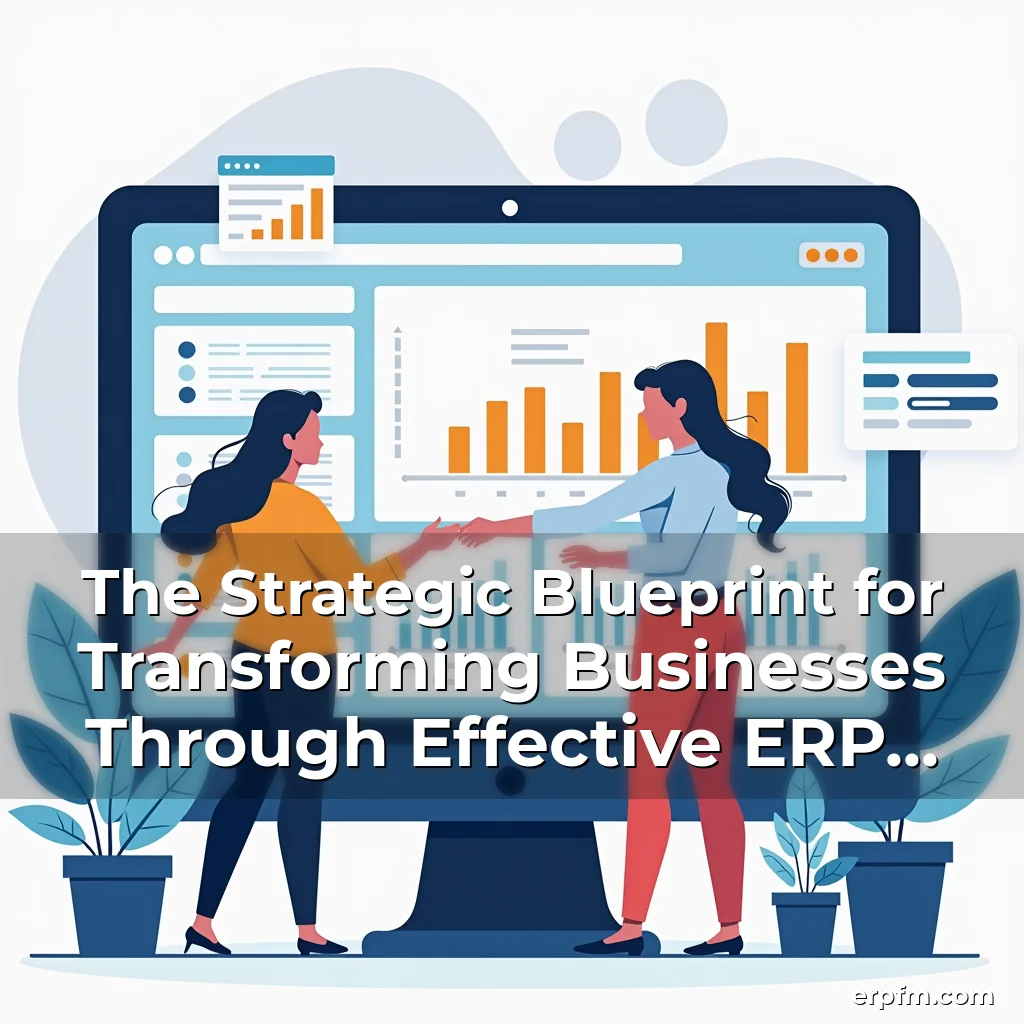
The Strategic Blueprint for Transforming Businesses Through Effective ERP Implementation
In today’s fast-paced business landscape, Enterprise Resource Planning (ERP) systems have evolved from mere accounting tools to integral components of strategic operations management. A well-executed ERP implementation can unify disparate departments, streamline workflows, and provide real-time data visibility across an organization.
However, the journey towards successful ERP adoption is complex and multifaceted. It requires meticulous planning, cross-functional collaboration, and continuous adaptation to changing market demands. This guide delves deep into the intricacies of ERP implementation, offering actionable strategies that empower businesses to harness the full potential of these transformative solutions.
Understanding the Foundations of ERP Implementation
At its core, ERP implementation involves integrating various business processes into a single, cohesive system. This process encompasses selecting the right software solution, customizing it to meet organizational needs, and ensuring seamless integration with existing technologies.
Successful ERP implementations begin with a clear understanding of current operational inefficiencies and future growth objectives. Organizations must conduct thorough audits of their existing IT infrastructure and business practices before initiating any new system deployment.
- Process Mapping: Documenting all key business processes helps identify areas requiring automation and optimization.
- Stakeholder Engagement: Involving department heads and end-users early ensures alignment between technical capabilities and practical requirements.
- Vendor Evaluation: Assessing multiple vendors based on industry expertise, scalability, and post-sales support is crucial for long-term success.
Evaluating Organizational Readiness for ERP Adoption
An often overlooked yet critical step in ERP implementation is assessing organizational readiness. This includes evaluating employee skills, change management preparedness, and cultural openness to technological transformation.
Organizations must also consider financial implications such as licensing costs, hardware upgrades, and ongoing maintenance expenses. These factors significantly influence the return on investment (ROI) timeline for ERP initiatives.
A structured approach involving pre-assessment workshops with senior leadership can help clarify expectations and align resources accordingly. Such evaluations typically uncover hidden challenges that might otherwise derail implementation timelines.
Selecting the Right ERP Solution for Your Business Needs
Choosing an appropriate ERP platform depends heavily on the size, industry-specific requirements, and growth trajectory of the organization. Cloud-based solutions offer flexibility and scalability but may require significant shifts in traditional workflow paradigms.
Potential candidates include leading platforms like SAP S/4HANA, Oracle NetSuite, Microsoft Dynamics 365, and niche solutions tailored to particular industries. Each offers distinct advantages depending on functional needs and budget constraints.
It is essential to involve both IT professionals and frontline employees during vendor selection. Their combined perspectives ensure that chosen systems address both technical feasibility and user experience considerations effectively.
Designing a Comprehensive Implementation Roadmap
A robust roadmap serves as the backbone of any successful ERP rollout. It outlines milestones, resource allocation, risk mitigation strategies, and communication plans at each stage of development.
This plan should be dynamic rather than static, allowing room for adjustments based on emerging priorities or unforeseen obstacles encountered during execution. Key phases generally include discovery, design, configuration, testing, training, and go-live activities.
Effective project governance structures are vital here. Establishing steering committees comprising representatives from different departments fosters accountability while promoting transparency throughout the initiative.
Fostering Cross-Functional Collaboration During Implementation
Cross-departmental cooperation is not merely beneficial; it’s indispensable for overcoming siloed thinking inherent in many organizations. Breaking down barriers through regular interdepartmental meetings enhances collective ownership over shared goals.
Implementing collaborative tools within the ERP framework itself promotes information sharing among teams working on related projects. Features like integrated dashboards allow real-time monitoring of progress against KPIs set by stakeholders.
Leadership plays a pivotal role in cultivating an environment where open dialogue about challenges becomes normalized rather than feared. Encouraging feedback loops enables timely course corrections without compromising momentum toward completion targets.
Navigating Common Challenges in ERP Projects
Despite careful preparation, ERP implementations face numerous hurdles ranging from resistance to change among staff members to unexpected compatibility issues between legacy systems and new software architectures.
To mitigate risks associated with change management, organizations need comprehensive training programs tailored specifically for users transitioning from old systems to newer ones. Role-playing scenarios can prove particularly effective when preparing frontline workers who interact most frequently with updated interfaces.
Data migration poses another significant challenge due to inconsistencies found in source databases. Thorough cleansing efforts prior to transfer minimize disruptions caused by incomplete records or duplicate entries affecting analytical accuracy downstream.
Leveraging Data Analytics Within New ERP Systems
Modern ERP suites come equipped with advanced analytics modules capable of transforming raw transactional data into meaningful insights useful for decision-making purposes. Integrating predictive modeling techniques allows companies to forecast trends accurately.
Customizable reporting features enable managers at all levels access up-to-date performance metrics relevant to their responsibilities. Real-time analytics facilitate quicker responses to fluctuating conditions impacting daily operations.
Ensuring proper setup of these analytical functions during initial stages prevents costly rework later on. Allocating sufficient time for configuring dashboards according to individual team preferences increases overall satisfaction with newly adopted tools.
Continuous Improvement Post-Implementation
ERP implementation does not mark the end of improvement journeys; instead, it signals the beginning of continuous refinement processes aimed at maximizing value extraction from invested resources.
Establishing dedicated review cycles helps track effectiveness measures regularly. These assessments compare actual outcomes against projected benchmarks established earlier in planning phases.
Feedback mechanisms embedded within user interfaces encourage constant iteration improvements driven primarily by those utilizing day-to-day functionalities provided by implemented systems.
Regularly scheduled enhancement sessions focusing exclusively on feature updates requested by end-users create opportunities for incremental enhancements aligned closely with evolving business needs.
Measuring Success Beyond Traditional Metrics
While standard KPIs like ROI remain important indicators of success, they alone do not capture holistic views regarding how well ERP systems contribute towards achieving broader corporate objectives beyond immediate cost savings.
Qualitative assessments measuring improvements in customer satisfaction scores, internal efficiency gains, or enhanced ability to respond rapidly to external changes represent equally valuable dimensions worthy of evaluation.
Benchmarking against peer institutions operating similar models provides additional context when interpreting results obtained post-implementation periods. Comparisons reveal strengths relative to competitors while highlighting gaps needing attention.
Combining quantitative analysis with narrative accounts gathered via interviews conducted amongst affected personnel delivers richer understandings concerning true impact achieved through completed projects.
Future Trends Shaping Next Generation ERPs
Emerging technologies continue reshaping what constitutes modern enterprise resource planning environments. Artificial Intelligence (AI), Machine Learning (ML), Internet Of Things (IoT), and Blockchain innovations promise further evolution within upcoming years.
AI-powered chatbots assisting customers resolve queries autonomously illustrate one direction wherein automation extends beyond back-office operations into front-facing service delivery channels previously handled manually.
Blockchain applications enabling transparent supply chain tracking enhance trustworthiness around procurement processes involving multi-party interactions where verification assurance remains paramount concern.
Integrating IoT sensors collecting environmental parameters affects inventory management approaches dramatically altering historical assumptions made about storage capacities required under conventional models.
Conclusion
Successfully implementing an ERP system represents far more than adopting another piece of technology—it signifies embracing fundamental shifts necessary for sustainable competitive advantage moving forward.
By approaching this endeavor strategically, maintaining commitment throughout entire lifecycle phases, and remaining adaptable amidst inevitable changes along way, enterprises position themselves optimally to thrive amid increasing complexity characterizing contemporary marketspaces.

news is a contributor at ERPfm. We are committed to providing well-researched, accurate, and valuable content to our readers.