The Strategic Imperative of ERP Cost Optimization: Unlocking Value Through Intelligent Resource Allocation
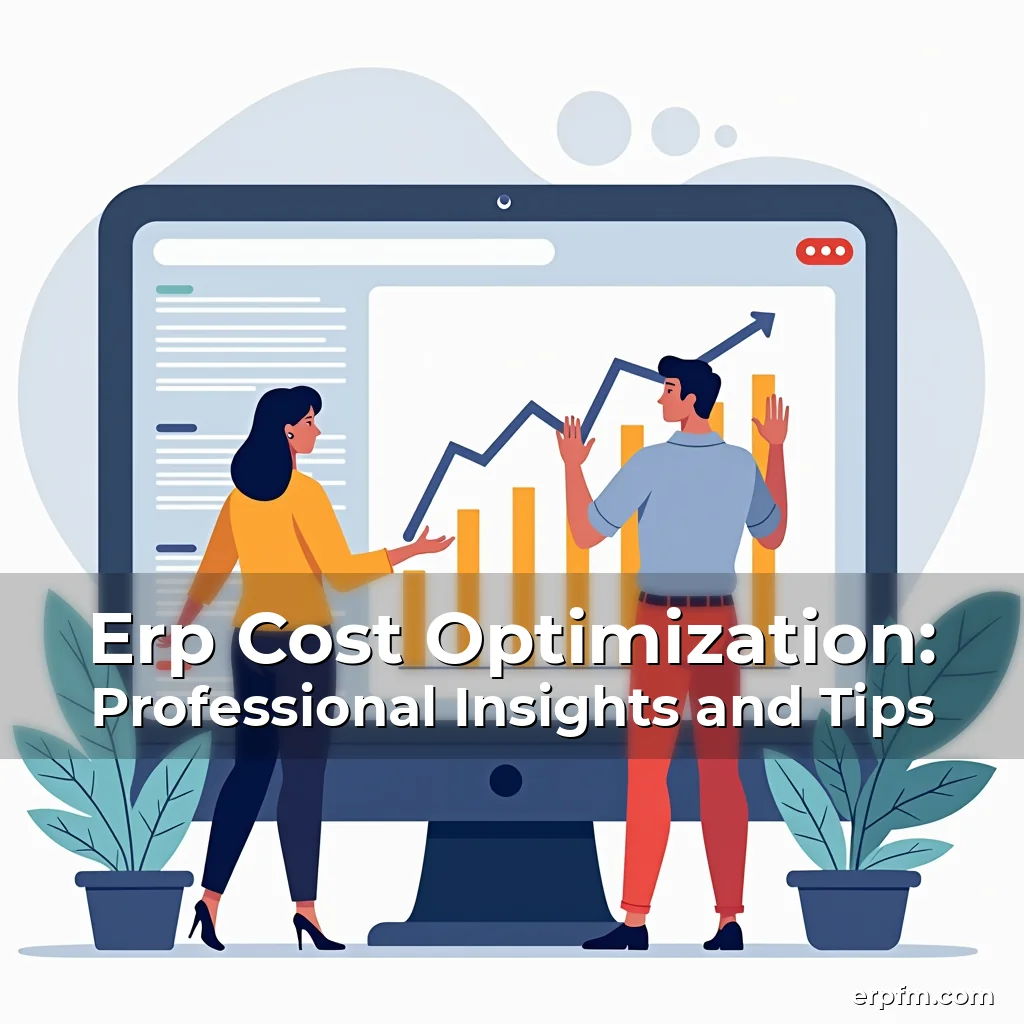
In an era where operational efficiency is paramount, enterprises are increasingly turning their attention toward ERP cost optimization as a critical lever for sustainable growth. This strategic approach involves meticulously analyzing every aspect of enterprise resource planning systems—from licensing models to implementation strategies—to ensure that resources are allocated precisely where they generate the highest return.
The journey towards ERP cost optimization begins by recognizing that these systems represent both a significant investment and an opportunity for transformational change. By adopting proactive management practices, organizations can transform their ERP expenditures from fixed costs into dynamic assets that drive competitive advantage through enhanced productivity and agility.
Understanding the Financial Landscape of ERP Systems
Modern ERP implementations typically involve complex financial commitments spanning several years. These include upfront software acquisition fees, ongoing maintenance contracts, cloud service charges, data migration expenses, and employee training programs. Understanding how each component contributes to total ownership costs enables informed decision-making at every stage of deployment.
Vendors often employ varied pricing structures ranging from perpetual licenses requiring substantial initial outlays to subscription-based models offering predictable monthly payments but potentially higher long-term costs. Evaluating these alternatives against organizational needs becomes essential when determining which model aligns best with business objectives and cash flow requirements.
- Licensing Models: Perpetual vs. Subscription—each has distinct implications for budget forecasting and capital allocation.
- Maintenance Costs: Regular updates and support services significantly impact overall expenditure over time.
Cloud-based solutions introduce additional considerations such as scalability charges tied to usage metrics. Organizations must carefully analyze potential future growth scenarios before committing to any particular platform architecture.
Evaluating Current ERP Spending Patterns
A thorough audit of existing ERP spending reveals hidden inefficiencies and areas ripe for improvement. This process requires examining historical invoices, vendor agreements, and internal consumption reports across departments using shared resources.
Data analytics tools prove invaluable during this evaluation phase by identifying anomalies in usage patterns or unexpected spikes in service charges. Such revelations empower finance teams to negotiate better terms with vendors based on factual evidence rather than assumptions.
Quantifying Hidden Expenses
Research indicates that up to 30% of total ERP budgets go unaccounted due to indirect costs associated with system integration efforts, custom development work, and end-user adoption challenges. Recognizing these overlooked elements forms the foundation for meaningful cost reduction initiatives.
For instance, underutilized modules may be contributing unnecessarily to license costs while failing to deliver measurable value. Identifying such discrepancies allows companies to reallocate funds toward high-priority functions aligned with core business goals.
Strategic Implementation Planning
Effective ERP cost optimization starts well before actual implementation occurs. A well-crafted roadmap detailing phased rollouts, prioritization criteria for feature selection, and realistic timelines helps prevent scope creep that could dramatically inflate project budgets.
Engaging cross-functional stakeholders early ensures alignment between technical capabilities and business expectations. Their input helps identify non-negotiable features versus nice-to-have functionalities that might justify additional investments.
Vendor selection plays a crucial role in shaping total costs throughout the lifecycle of an ERP system. Carefully evaluating proposals beyond initial price quotes—including post-sales support quality and innovation roadmaps—can lead to substantial savings down the line.
Maximizing ROI Through Usage Analytics
Leveraging built-in reporting tools within ERP platforms provides visibility into module utilization rates, user activity trends, and workflow efficiencies. This granular insight enables targeted improvements aimed specifically at maximizing return on investment.
Organizations should establish baseline performance indicators prior to making any changes. Continuous monitoring thereafter allows them to track progress objectively and adjust strategies accordingly without guesswork involved.
Usage data also facilitates smarter decisions regarding license renewals or upgrades. If certain modules remain consistently underused despite being paid for, re-evaluation becomes necessary to avoid wasting resources on low-value add-ons.
Leveraging Cloud-Based Solutions Wisely
While cloud computing offers flexibility and scalability benefits, its cost structure demands careful scrutiny. Pay-as-you-go models appear attractive initially but require diligent tracking of actual consumption levels to prevent runaway expenses.
Comparing multi-tenant architectures—which share infrastructure among users—with single-tenant options that provide dedicated environments helps determine optimal choices depending upon security needs and customization requirements.
Migration strategies themselves carry considerable expense; therefore, assessing whether incremental transitions make more sense compared to full-scale replacements depends heavily on current system maturity and desired functionality enhancements.
Fostering Internal Adoption for Long-Term Savings
User engagement remains one of the most underrated factors influencing ERP effectiveness—and consequently, its associated costs. Well-trained employees who fully utilize available features reduce reliance on manual processes that increase error rates and processing times.
Cultivating a culture of continuous learning around new ERP capabilities ensures that staff members stay abreast of evolving tools capable of streamlining workflows further. This proactive attitude translates directly into lower remediation costs linked to inefficient operations.
Investments made in change management programs yield compounding returns over time through improved data accuracy, faster report generation cycles, and reduced need for external consultants handling routine tasks.
Negotiating Smarter Contracts with Vendors
Armed with clear understanding of their own consumption patterns, organizations gain leverage during contract negotiations. Demonstrating transparent usage metrics builds credibility while opening pathways for customized payment arrangements tailored to actual needs.
Vendor lock-in risks necessitate regular reviews of contractual obligations alongside market comparisons to ensure continued competitiveness in negotiated terms. Flexibility clauses become particularly important given rapid technological advancements affecting industry standards continuously.
Collaboration extends beyond mere cost discussions—it encompasses joint problem-solving approaches focused on achieving mutual success targets aligned with broader digital transformation agendas.
Benchmarking Against Industry Standards
Industry benchmarking serves as vital reference point for gauging whether current ERP spend aligns reasonably with peer groups operating within similar sectors. Benchmark studies reveal typical ranges for various components helping identify outliers warranting investigation.
Participation in sector-specific forums or professional associations grants access to exclusive comparative datasets useful for refining optimization strategies effectively. Cross-company knowledge sharing fosters collective advancement benefiting participants alike.
Regularly updating benchmarks accounts for macroeconomic shifts impacting overall IT budgets globally. Staying attuned to these dynamics prevents becoming stagnant amidst changing conditions affecting affordability thresholds.
Continuous Monitoring & Adjustment Mechanisms
An effective ERP cost optimization strategy doesn’t conclude once initial measures have been implemented. Ongoing surveillance mechanisms detect emerging inefficiencies promptly allowing timely interventions before they escalate into larger issues.
Automated alerts configured within ERP dashboards notify relevant parties whenever predefined thresholds related to key performance indicators get breached. Proactive responses minimize disruptions caused by unforeseen variances creeping into expected outcomes.
Routine audits conducted quarterly help maintain discipline around fiscal responsibility while ensuring compliance adherence across all functional units utilizing shared resources simultaneously.
Future-Proofing Your ERP Investment
Anticipatory planning becomes essential considering upcoming regulatory changes likely to influence ERP configurations required for compliance purposes. Preemptive adjustments mitigate penalties arising from outdated protocols violating legal mandates.
Emerging technologies continually reshape what constitutes best practice within enterprise environments. Keeping pace with innovations ensures that investments retain relevance amidst shifting paradigms defining modern business landscapes successfully.
Scalability assessments form part integral review cycle confirming readiness for anticipated volume increases either domestically or internationally expanding footprint strategically planned ahead-of-time wisely.
Conclusion
ERP cost optimization represents much more than simple budget trimming exercises—it embodies intelligent resource stewardship geared toward unlocking latent value embedded within sophisticated technology ecosystems.
By systematically addressing each facet of ERP expenditures through analytical rigor combined with forward-thinking strategies, businesses position themselves favorably against competitors vying similarly for limited financial allocations yet striving relentlessly towards superior operational excellence milestones regularly achieved sustainably now and going forward indefinitely.

news is a contributor at ERPfm. We are committed to providing well-researched, accurate, and valuable content to our readers.